Choosing the Right ATV for Desert Riding in Dubai
Understanding Dubai's Desert Terrain
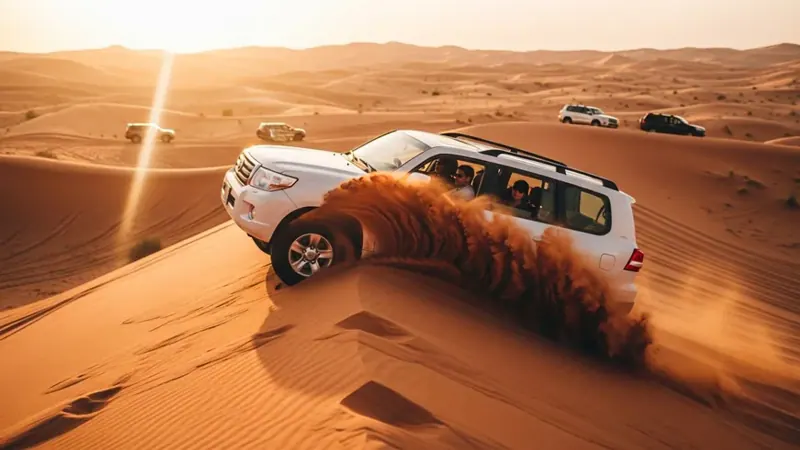
Dubai's desert is not a single surface. It shifts from hard-packed sand near the road to soft, powdery dunes further in. Some areas have steep slopes with a crust on top that can break under weight. Other stretches are flat but covered with loose gravel. Each type of ground changes how an all-terrain vehicle behaves. A machine that works well on a dry riverbed may struggle on a 30-metre dune. Before you look at models, think about where you will ride most. If you plan to stick to guided tours on marked trails, the terrain is usually mixed but not extreme. If you want to tackle the big dunes on the outskirts of the city, you need a vehicle built for loose sand and steep climbs.
Engine Size and Power
The engine is the heart of any quad bike. In Dubai's desert, a small engine around 250cc can feel underpowered when you hit a long uphill section. The sand saps momentum, and you need enough torque to keep moving without burying the wheels. A 400cc to 500cc machine is a common sweet spot. It gives you enough power to crest most dunes without being so aggressive that it becomes hard to control. Larger engines, 600cc and above, are faster but heavier. They demand more respect because the throttle response is sharper and the extra weight can make the vehicle harder to pull out of a soft patch. For a first-time buyer or someone who rides occasionally, a mid-range engine offers the best balance. For experienced riders who want to cover ground quickly or climb the tallest dunes, a bigger engine makes sense.
Two-Wheel Drive Versus Four-Wheel Drive
Most quad bikes used for desert riding are two-wheel drive. That is fine for hard sand and gentle slopes. But once you enter deep, soft sand, the rear wheels can dig in while the front stays light. Four-wheel drive spreads the power to all corners. It gives you traction when the sand gives way under the rear tyres. In Dubai's desert, where a patch of firm ground can suddenly turn into a bowl of fine powder, four-wheel drive is a real advantage. It also helps when turning on a dune face. The front wheels pull you through the turn instead of letting the vehicle slide sideways. The trade-off is extra weight and slightly more maintenance. But for most desert conditions, the added control is worth it.
Tyres and Their Role
The tyres on an ATV are not one-size-fits-all. Standard tyres with a shallow tread work on dirt trails but have little grip on sand. For Dubai's desert, look for tyres with a wider footprint and a paddle-like tread. These tyres are sometimes called sand tyres. They have deep, widely spaced lugs that push sand backward and give the vehicle forward thrust. A standard tyre tends to spin and dig a hole. The right tyres also affect how the vehicle sits on the surface. A wider tyre lowers the ground pressure, so the machine floats on top of the sand rather than sinking. If you buy a vehicle with general-purpose tyres, you can often swap them for sand-specific ones. Check the wheel size and bolt pattern before buying so you know what is available.
Weight and Manoeuvrability
A heavy ATV feels stable on a straight line but becomes a handful on tight dune runs. Lighter models, usually in the 300-400cc range, are easier to turn and less likely to tip when you shift your weight. They also bounce less over small ridges. The downside is that a light vehicle can be pushed around by a strong crosswind or lose grip on a steep side slope. Heavier machines, especially those over 500cc, have a lower centre of gravity and feel planted. But they require more effort to steer and more space to turn. If you are riding alone and need to recover the vehicle if it tips, a lighter machine is easier to right. If you ride with a group and stick to wider trails, a heavier machine is fine.
Safety Features to Check
Safety in the desert is not just about skill. The vehicle itself needs basic features that help you stay in control. A working kill switch or tether is essential. It cuts the engine if you fall off, preventing the machine from running away or hitting someone. Hand guards protect your fingers from branches and rocks, though in the desert they mainly shield against sun and wind. A good set of brakes is critical. Sand can wear down brake pads quickly, so check that the system is easy to inspect and replace. Some models come with a rear brake that can be applied with a hand lever, which gives you more control on steep descents than a foot pedal alone. Always ride with safety goggles. The desert throws up fine dust that stings the eyes and reduces vision. A helmet is not always required by law for private riding, but it protects your head if the vehicle tips on a dune.
Starting with a Guided Tour
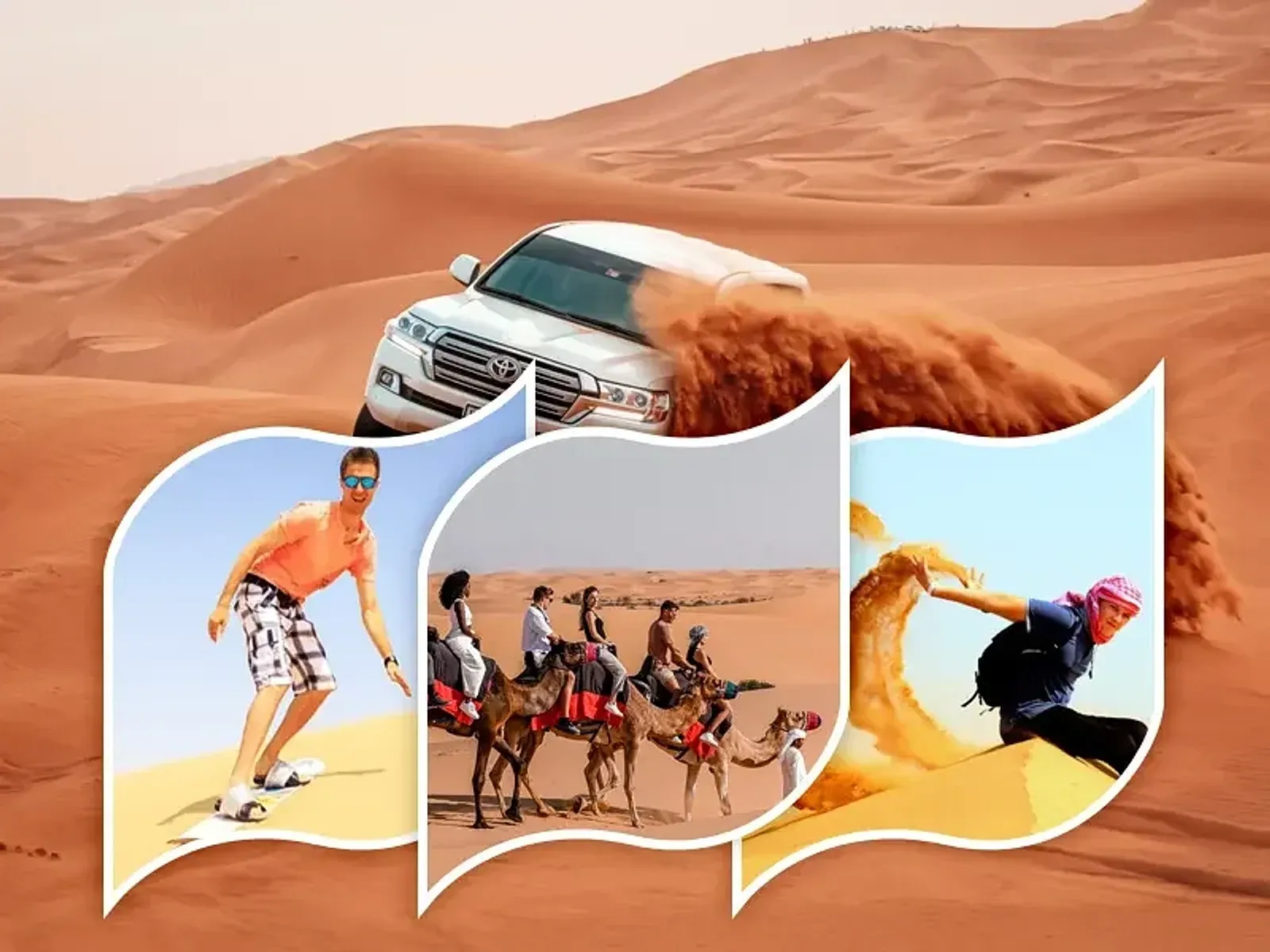
If you are not sure what kind of ATV suits you, a guided trip is a good way to test different machines without committing to a purchase. Many tour operators in Dubai offer quad bikes as part of a desert safari. They provide the vehicle, a basic briefing, and a guide who knows the terrain. You can experience how a standard machine handles on dunes and flat sections. Some operators let you try different models if you ask. This hands-on time helps you understand what you value: power, weight, or ease of control. For anyone new to desert riding, this step saves time and money. It also gives you a realistic sense of the physical effort involved. Riding in sand is more tiring than on a track, and a few hours on a tour reveals whether you enjoy it enough to buy your own vehicle. When you are ready to explore options further, the site classicdesertsafari.com provides information on desert experiences that can help you get a feel for the conditions before you make a choice.
New Versus Used: What to Watch For
A new ATV comes with a warranty and no hidden wear. But desert use is harsh. Even a new machine will need regular cleaning and maintenance of the air filter, wheel bearings, and brake system. A used vehicle can be a good deal if it has been looked after, but the desert is not kind to mechanical parts. Check the frame for cracks or bends. Look at the wheel rims for dents from hitting rocks. Listen to the engine when it is cold; a rattling sound may mean worn bearings inside. Ask about the riding history. A machine that has only been on flat desert trails is usually in better shape than one used for racing or jumping. The tyres and battery are consumables you will replace anyway, so focus on the engine, drivetrain, and frame condition.
Legal Requirements and Registration
In Dubai, riding an ATV on public roads is not allowed. The vehicle must be used in designated areas such as desert reserves, private land, or organised safari tracks. Some areas require the vehicle to be registered with the local authorities. If you buy a new machine, the dealer can often handle the paperwork. For a used import, you may need to check that the vehicle meets the local vehicle standards. A vehicle that is not registered can be impounded, and riding in a restricted area can lead to fines. Always confirm the rules for the specific area where you plan to ride.
Preparing for a Ride
Once you have chosen your vehicle, preparation makes the difference between a good day and a breakdown. Check the air filter before every ride. Desert dust clogs it fast, and a dirty filter starves the engine of air. Carry a basic tool kit and a tyre pressure gauge. Dropping the tyre pressure slightly for sand gives you more grip and a smoother ride. Bring extra water, a map or GPS, and a way to call for help if you ride alone. The desert can look the same in every direction, and without landmarks it is easy to get turned around. A sunrise trip is popular because the sand is cooler and the light shows the contours of the dunes. But the low sun also creates shadows that hide dips and ridges. Ride at a speed that lets you react to what appears over the next crest.
Making Your Choice
Selecting the right ATV for Dubai's desert comes down to how you will use it. A mid-sized, four-wheel drive model with sand tyres and a reliable kill switch covers most situations. If you plan to ride only on guided tours, you may not need to buy at all. Many people enjoy the sport by renting or joining trips where the equipment is provided. That approach lets you ride different machines over time without the cost of ownership. The site classicdesertsafari.com is a useful resource for learning more about the desert environment and the types of vehicles used there. Whether you rent or buy, the key is to match the machine to the terrain and your experience level. A well-chosen ATV makes the desert feel open and exhilarating. A poor match turns every ride into a struggle.